Phố Cao Du, Phường Âu Cơ, Thị xã Phú Thọ, Phú Thọ
Cultural Heritage (1 review, 5 stars)
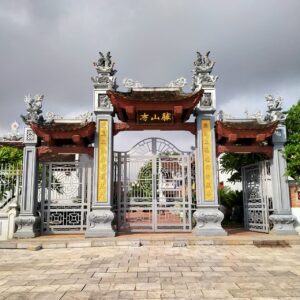
Chùa Thắng Sơn, also known as Thắng Sơn Tự or Mè Pagoda, stands as a testament to spiritual devotion and architectural beauty. Constructed in the late 18th century during the reign of King Lê Cảnh Hưng (1740-1786), it is situated in Phú An village, approximately 30km from the banks of the Thao River. The temple rests on elevated ground, about 1.5 meters above the road, with a system of seven stone steps extending along the gates and the surrounding walls.
Facing southeast, the entrance of the pagoda opens towards the southwest, overlooking the Thao River with its array of moored boats. In the past, travelers had to ascend seven green stone steps, locally referred to as “Bến Đá” or Stone Wharf, to reach the pagoda. This spot used to serve as the docking area for boats ferrying pilgrims from distant places to the temple for Buddhist rituals.
Chùa Thắng Sơn has transformed into a significant cultural and spiritual hub for the residents and Buddhist followers in the town of Phú Thọ. Beyond Thắng Sơn, the town preserves numerous historical sites like Chùa Cây Thị in Phú Hộ commune, housing two ancient “lão thị” trees that have gracefully shaded the sacred temple for a thousand years. There is also Đền Trù Mật in Văn Lung commune, established during the reign of Đinh Tiên Hoàng, dedicated to the mountain general Kiều Thuận and his lieutenant Ma Xuân Trường.
Another notable site is chùa Bồng Lai in Hà Thạch commune, boasting exceptional architectural artifacts, including clay statues, a sculpture system, stone steles, and other precious relics that illuminate the glory of a bygone era in the history of Buddhism in Vietnam.
These historical landmarks provide a foundation for the town of Phú Thọ to collaborate with other intraprovincial attractions, fostering the development of cultural and spiritual tourism.
 1168 Hung Vuong Street, Thanh Mieu Ward, Phu Tho Province, Vietnam
  +84889.30.19.19
  contact@visitphutho.vn


