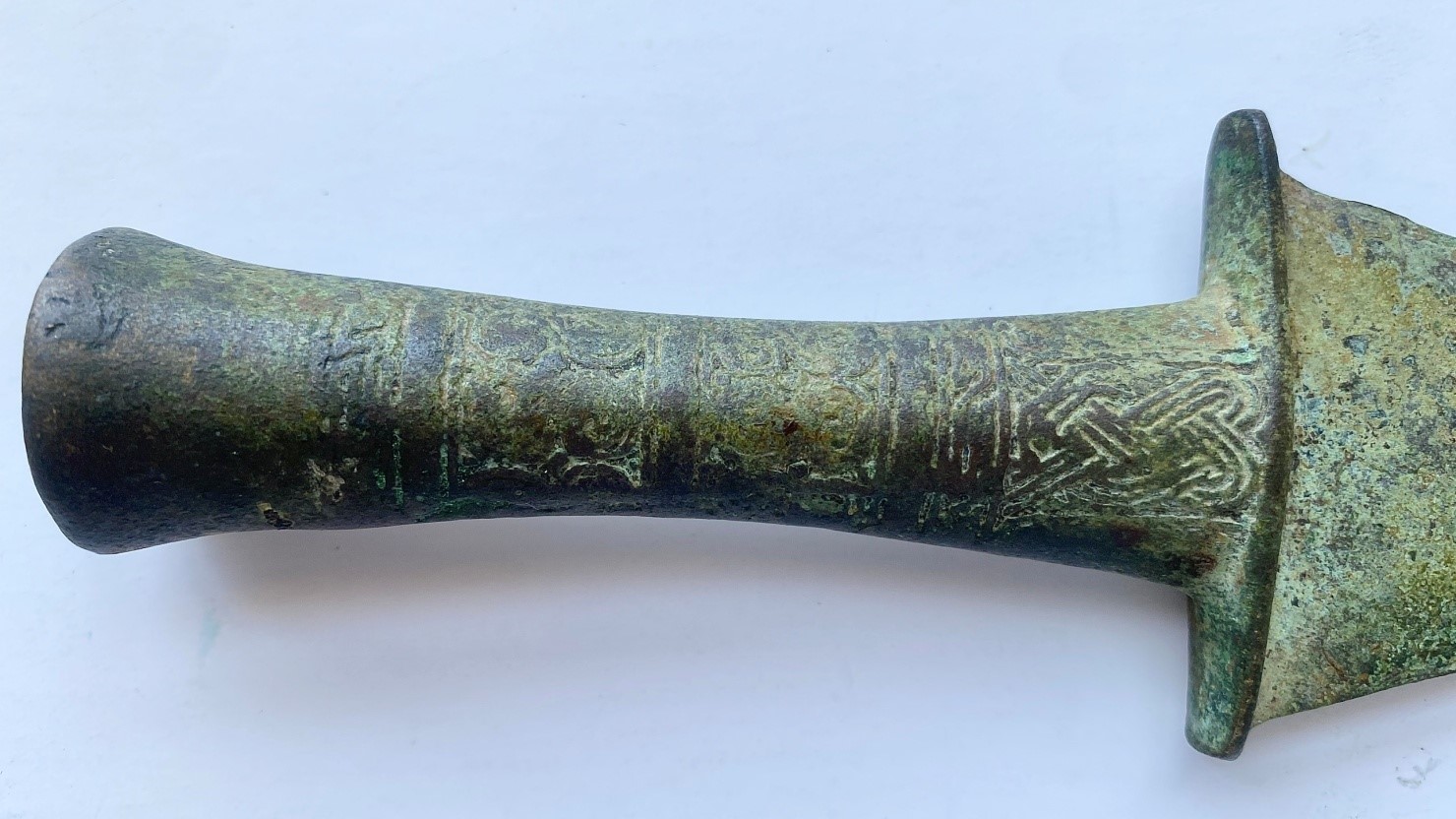
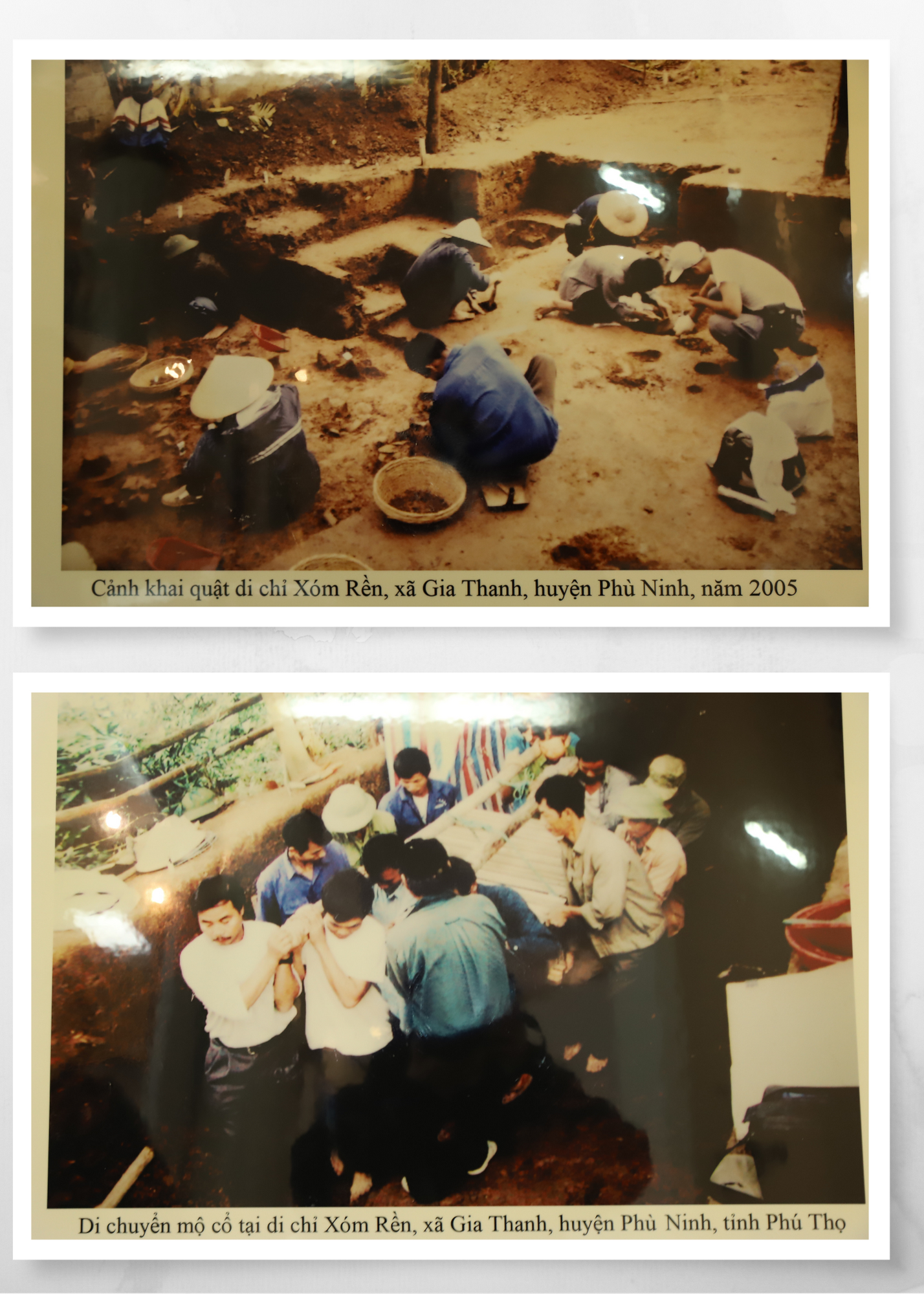
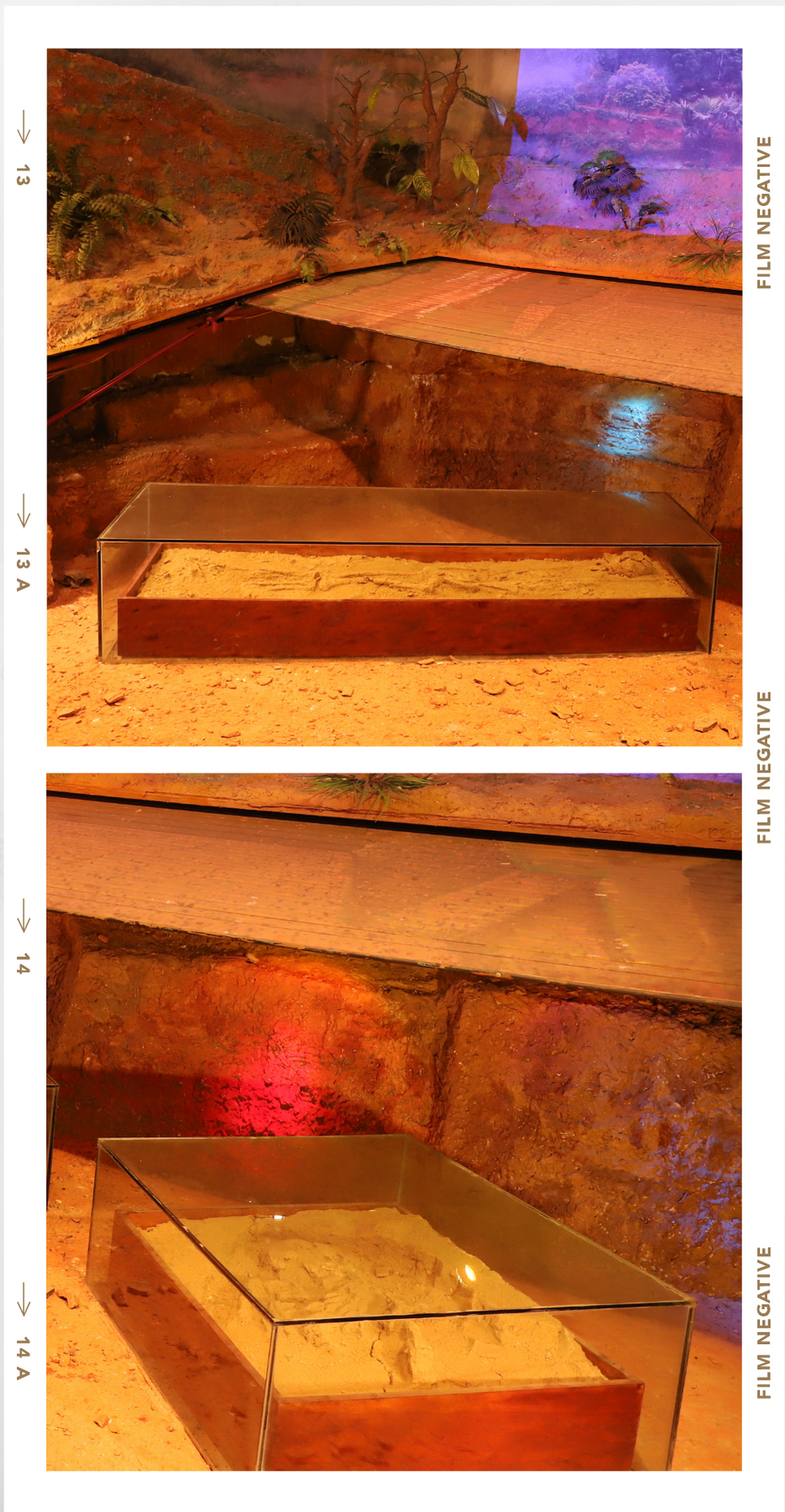
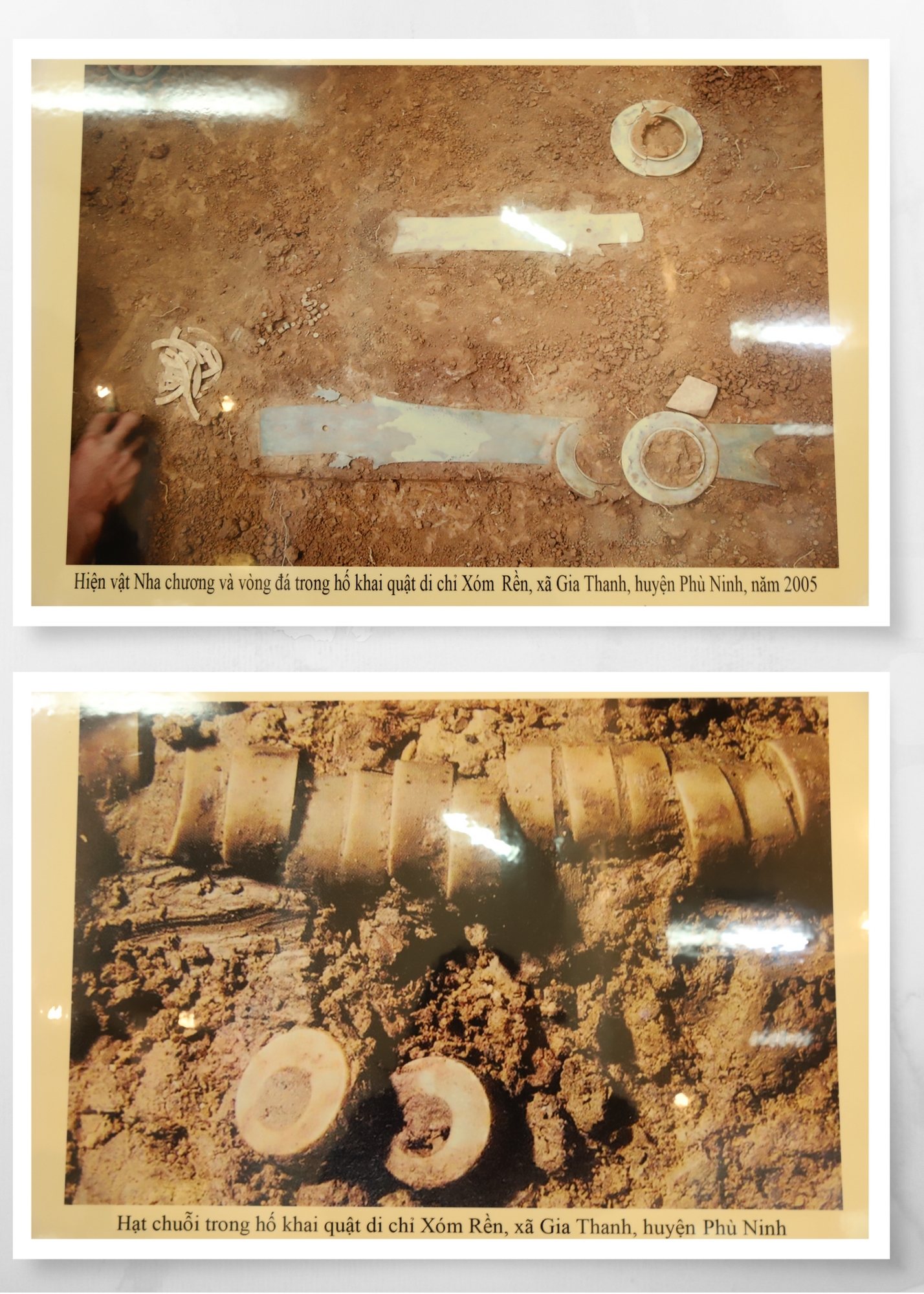
Phu Tho is a land steeped in the ancient history and cultural richness of the Vietnamese people, with a heritage dating back thousands of years to the establishment of the Van Lang kingdom by King Hung. Legend has it that in this region, the Hung Kings founded the Van Lang state, the first state of Vietnam, with its capital at Phong Chau, which is present-day surrounding the city of Viet Tri.
Since the era of the Hung Kings, the province of Phu Tho has undergone various changes in geographical and administrative boundaries. On September 8, 1891, during the French colonial period in Indochina, the administrative unit of Hung Hoa province (predecessor to Phu Tho province) was established, consisting of five districts: Tam Nong, Thanh Thuy, Son Vi, Thanh Ba, and Phu Ninh.
From 1903 to the August Revolution of 1945, there were essentially no major changes in the administrative units within the province, with only alterations in the names of some districts and the addition of new villages and communes.
After the success of the August Revolution, administratively, the Vietnamese state unified the designations of provinces, prefectures, and districts, using the term “huyen” for all and eliminating the general level. The state also amalgamated small villages into larger towns.
Following several changes in geographical and administrative divisions, Phu Tho province was reestablished on January 1, 1997, according to the Resolution of the 10th session of the 9th National Assembly. This restructuring coincided with the country’s transition into the industrial and modernization era.
Through various reform and development phases, Phu Tho has achieved notable successes in the economic, cultural, and social spheres. Particularly, the province has successfully built and safeguarded two intangible cultural heritages, namely “Hat Xoan Phu Tho” and the “Worship of the Hung Kings in Phu Tho,” which have been recognized and honored by UNESCO. These accomplishments contribute to affirming the historical and cultural values and radiating the cultural essence of the ancestral land. Phu Tho also aspires to become one of the leading developed provinces in the northern midlands and mountainous region of Northern Vietnam.
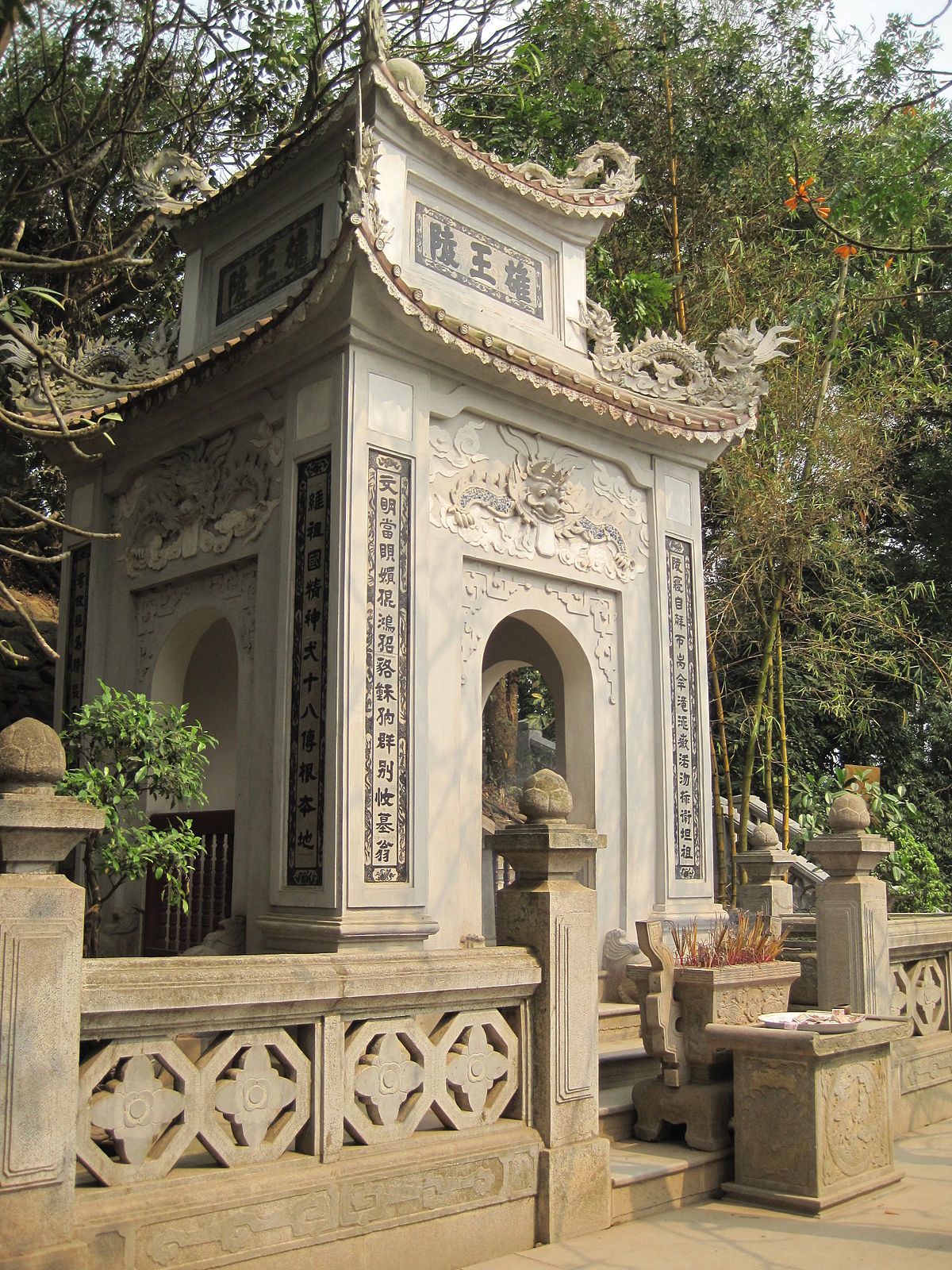
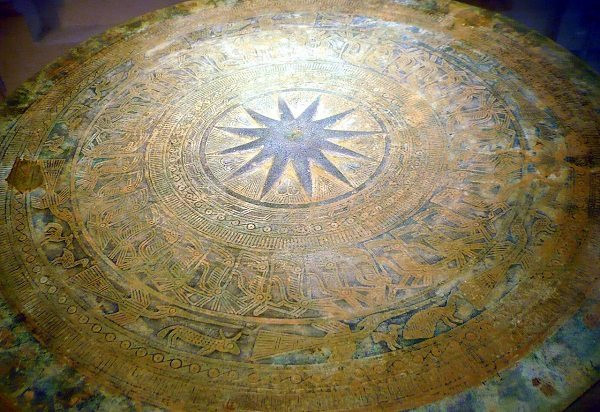
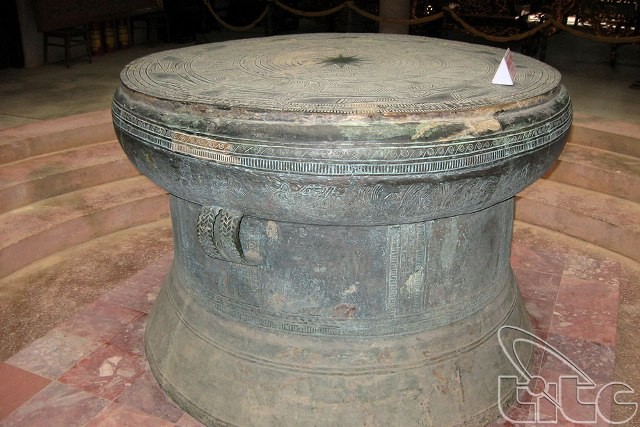
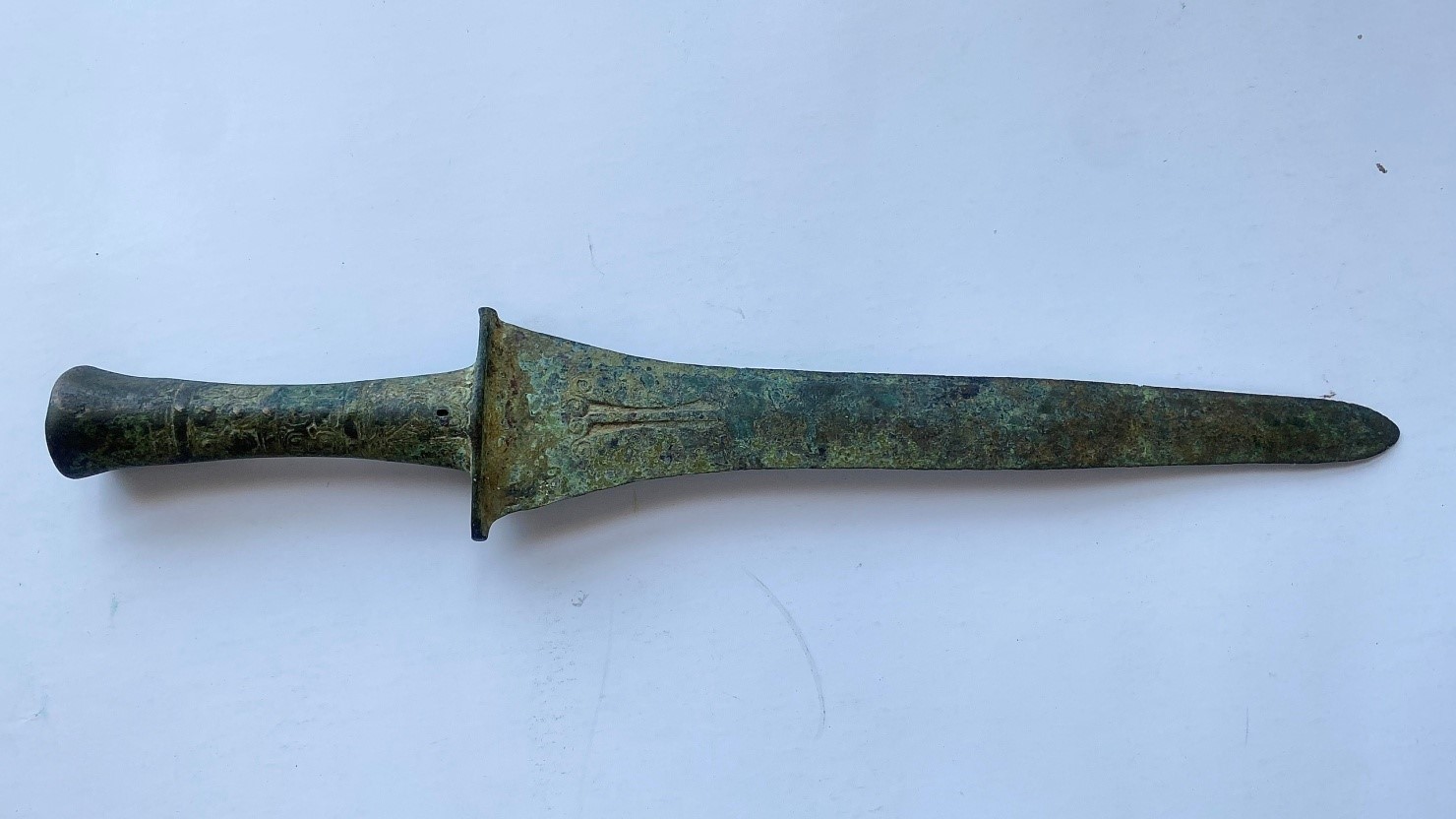
Phu Tho is a land steeped in the ancient history and cultural richness of the Vietnamese people, with a heritage dating back thousands of years to the establishment of the Van Lang kingdom by King Hung. Legend has it that in this region, the Hung Kings founded the Van Lang state, the first state of Vietnam, with its capital at Phong Chau, which is present-day surrounding the city of Viet Tri.
Since the era of the Hung Kings, the province of Phu Tho has undergone various changes in geographical and administrative boundaries. On September 8, 1891, during the French colonial period in Indochina, the administrative unit of Hung Hoa province (predecessor to Phu Tho province) was established, consisting of five districts: Tam Nong, Thanh Thuy, Son Vi, Thanh Ba, and Phu Ninh.
From 1903 to the August Revolution of 1945, there were essentially no major changes in the administrative units within the province, with only alterations in the names of some districts and the addition of new villages and communes.
After the success of the August Revolution, administratively, the Vietnamese state unified the designations of provinces, prefectures, and districts, using the term “huyen” for all and eliminating the general level. The state also amalgamated small villages into larger towns.
Following several changes in geographical and administrative divisions, Phu Tho province was reestablished on January 1, 1997, according to the Resolution of the 10th session of the 9th National Assembly. This restructuring coincided with the country’s transition into the industrial and modernization era.
Through various reform and development phases, Phu Tho has achieved notable successes in the economic, cultural, and social spheres. Particularly, the province has successfully built and safeguarded two intangible cultural heritages, namely “Hat Xoan Phu Tho” and the “Worship of the Hung Kings in Phu Tho,” which have been recognized and honored by UNESCO. These accomplishments contribute to affirming the historical and cultural values and radiating the cultural essence of the ancestral land. Phu Tho also aspires to become one of the leading developed provinces in the northern midlands and mountainous region of Northern Vietnam.
 1168 Hung Vuong Street, Thanh Mieu Ward, Phu Tho Province, Vietnam
  +84889.30.19.19
  contact@visitphutho.vn


